


Top Benefits of Energy Efficiency for Your Home

When I first started thinking about upgrading my home, energy efficiency was at the top of my list. It’s not just about saving money on bills; it’s about creating a comfortable, sustainable living space that works for you year-round. If you’re considering improvements like new windows or doors, or even a full home inspection, understanding the benefits of energy efficiency can help you make smart choices that pay off in the long run.
Why Energy Efficiency Matters for Your Home
Energy efficiency means using less energy to perform the same tasks. For homeowners, this translates into lower utility bills, less environmental impact, and a more comfortable home. In places with cold winters and warm summers, like Edmonton, energy efficiency can make a huge difference in how your home feels and how much you spend on heating and cooling.
Upgrading to energy-efficient windows and doors is one of the most effective ways to improve your home’s energy performance. These upgrades reduce drafts, keep heat inside during winter, and block unwanted heat in summer. This means your heating and cooling systems don’t have to work as hard, saving you money and reducing wear and tear on your equipment.

Exploring the Benefits of Energy Efficiency in Your Home
There are many benefits of energy efficiency that go beyond just cutting costs. Here are some key advantages I’ve experienced and learned about:
Lower Energy Bills: By reducing the amount of energy your home uses, you’ll see a noticeable drop in your monthly bills. This is especially important in regions with extreme temperatures.
Increased Comfort: Energy-efficient homes maintain a more consistent temperature. No more cold spots near windows or hot rooms in the summer.
Improved Home Value: Energy efficiency upgrades can increase your home’s resale value. Buyers appreciate homes that promise lower utility costs and better comfort.
Environmental Impact: Using less energy means fewer greenhouse gas emissions. It’s a simple way to reduce your carbon footprint.
Reduced Maintenance: When your heating and cooling systems don’t have to work as hard, they last longer and require fewer repairs.
If you want to dive deeper into the energy efficiency benefits for your home, there’s plenty of helpful information available to guide your decisions.
What are some benefits of energy efficiency?
Understanding the specific benefits of energy efficiency can help you prioritize upgrades and improvements. Here are some detailed examples:
Enhanced Indoor Air Quality
Energy-efficient homes often have better insulation and sealing, which reduces drafts and prevents outdoor pollutants from entering. This means fewer allergens and dust inside your home, creating a healthier environment.
Noise Reduction
Upgrading to energy-efficient windows and doors also helps block outside noise. If you live near busy streets or noisy neighbors, this can make a big difference in your daily comfort.
Government Incentives and Rebates
Many local and federal programs offer financial incentives for energy-efficient home improvements. These can help offset the initial cost of upgrades, making it easier to invest in your home.
Long-Term Savings
While some energy-efficient upgrades require upfront investment, the long-term savings on energy bills and maintenance costs often outweigh the initial expense.
Better Home Durability
Proper insulation and sealing protect your home from moisture damage and temperature fluctuations, which can extend the life of your building materials.
How to Start Improving Your Home’s Energy Efficiency
If you’re ready to make your home more energy efficient, here are some practical steps to get started:
Schedule a Home Energy Audit
A professional inspection can identify where your home is losing energy and recommend specific improvements. This is a great first step to understand your home’s unique needs.
Upgrade Windows and Doors
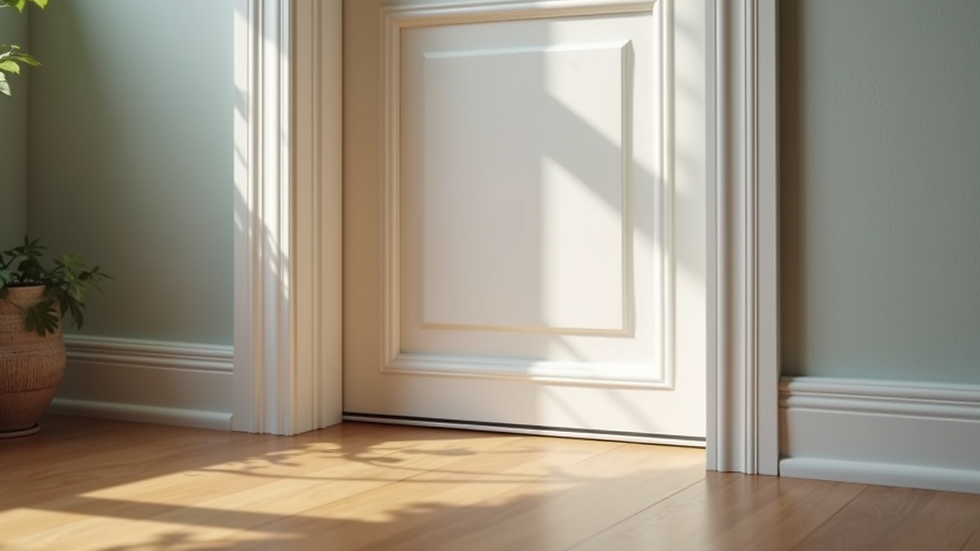
Look for products with high energy ratings and good insulation properties. Proper installation is key to maximizing their effectiveness.
Seal Air Leaks
Use weather stripping and caulking around windows, doors, and other openings to prevent drafts.
Improve Insulation
Adding insulation to your attic, walls, and basement can significantly reduce heat loss.
Use Energy-Efficient Appliances
When it’s time to replace appliances, choose models with the ENERGY STAR label to save energy and money.
Consider Smart Thermostats
These devices help you control your heating and cooling more efficiently, adjusting temperatures based on your schedule.
Taking these steps can make a noticeable difference in your home’s comfort and energy use.
Why Energy Efficiency is a Smart Investment for Your Home
Investing in energy efficiency is not just about saving money today; it’s about protecting your home and your budget for years to come. Energy-efficient upgrades can:
Reduce your carbon footprint and contribute to a healthier planet.
Increase your home’s market appeal if you decide to sell.
Provide peace of mind knowing your home is comfortable and well-protected against weather extremes.
Help you avoid costly repairs by preventing moisture and temperature damage.
If you’re considering upgrades, working with trusted professionals who understand local climate challenges and energy efficiency standards is essential. They can guide you through the best options for your home and budget.
Making your home more energy efficient is a journey worth taking. Whether you start with new windows and doors or a full home inspection, every step brings you closer to a more comfortable, cost-effective, and environmentally friendly home. Ready to explore your options? Reach out to experts who can help you make the best choices for your home’s future.


Comments